

The United Nations Human Rights Council has adopted a ground-breaking resolution, calling on member states to improve efforts to combat discrimination, violence and harmful practices against intersex people.
Brought forward by Australia, Chile, South Africa and Finland, the resolution was adopted with 24 nations in favour, 23 abstaining and none opposed.

Intersex people have innate variations of sex characteristics that are more diverse than stereotypical definitions of male or female bodies. Up to 1.7% of the global population is born with these traits, and the fact that someone is intersex can become apparent at different stages of life.
Dr Morgan Carpenter, Executive Director of Intersex Human Rights Australia, says this is a great moment for the intersex community, “but we still have a long way to go.”
“Because of the way our bodies are perceived as different, we can experience stigmatisation, discrimination and harmful practices, including medical interventions to make our bodies appear or function in ways that are more typically female or male,” Dr Carpenter said.
“We are calling for the same rights as everybody else. It’s about the universality of human rights, including the rights to bodily integrity and bodily autonomy, and freedom from harmful practices.”
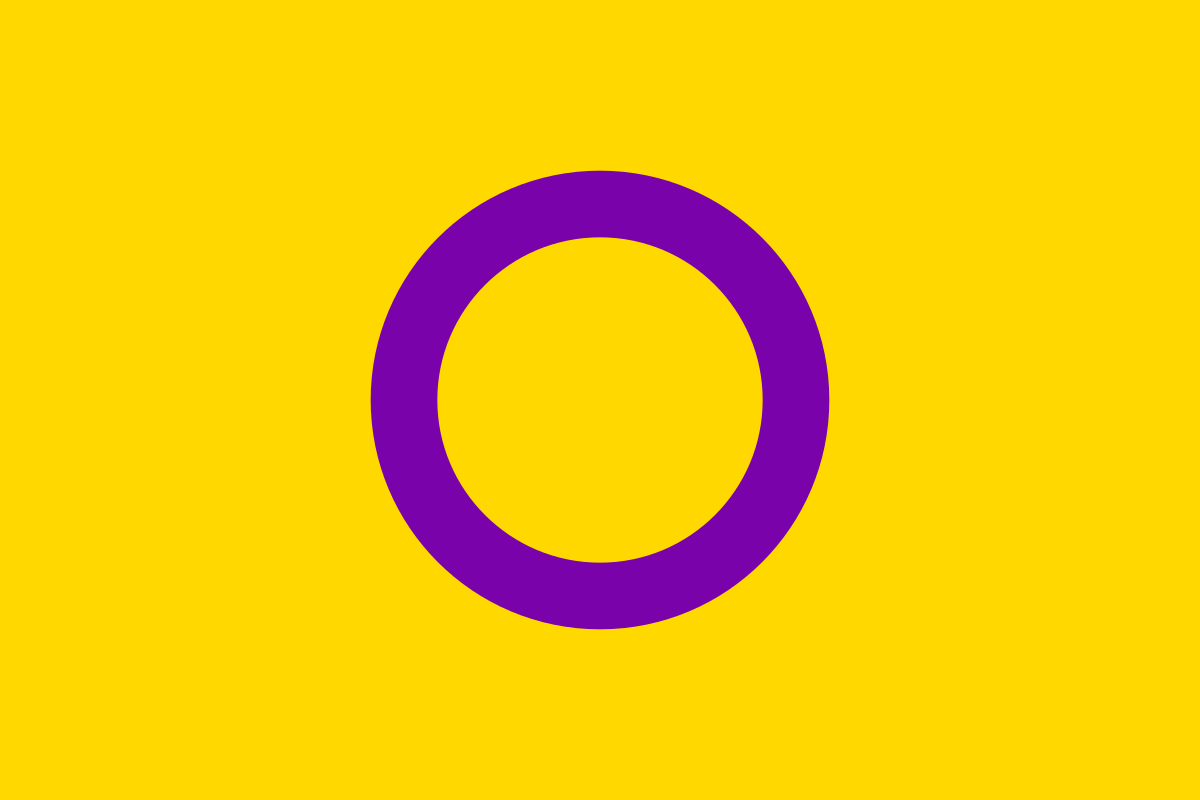
ACT stands alone on intersex protections
In June 2023, the ACT became the first jurisdiction in Australia to protect people with variations in sex characteristics from harmful and unnecessary medical interventions as children by placing restrictions on altering sex characteristics without personal consent.
Ghassan Kassisieh, Legal Director of national advocacy group Equality Australia, says the resolution sends a clear message to other governments across Australia.
“Unnecessary medical procedures continue to be performed on infants and children born with intersex variations in Australia, leaving them with the physical and psychological scars of medical decisions they had no say in,” Kassisieh said.
“This resolution shows there is growing global consensus on intersex rights, and with Australia showing leadership on the international stage at the UN, now is the time for all our state and territories to follow suit and put an end to unnecessary medical procedures on intersex people without their consent.”
“We call on all states and territories to pass laws protecting intersex people from unnecessary medical procedures so they can decide for themselves what surgeries they want when they are old enough.”
Intersex advocate and spokesperson for support service A Gender Agenda, Mimi Hall, says the UN resolution is “profoundly impactful.”
“Human rights abuses experienced by people with intersex variations have long been hidden or misunderstood,” she said.
“Despite a number of calls for action by the UN for states to increase the protection of intersex rights, there has been little advancement toward legal safeguards in Australia.
“This was until last year, when the ACT passed a ground-breaking bill prohibiting unnecessary and deferrable medical interventions on intersex children. It’s now crucial for other Australian states and territories to recognise the UN’s persistent calls to action and implement protective laws similar to the ACT’s.
“This UN Resolution makes it very hard for them to continue to ignore this issue.”